When you click on links to various merchants on this site and make a purchase, this can result in this site earning a commission. Affiliate programs and affiliations include, but are not limited to, the eBay Partner Network.
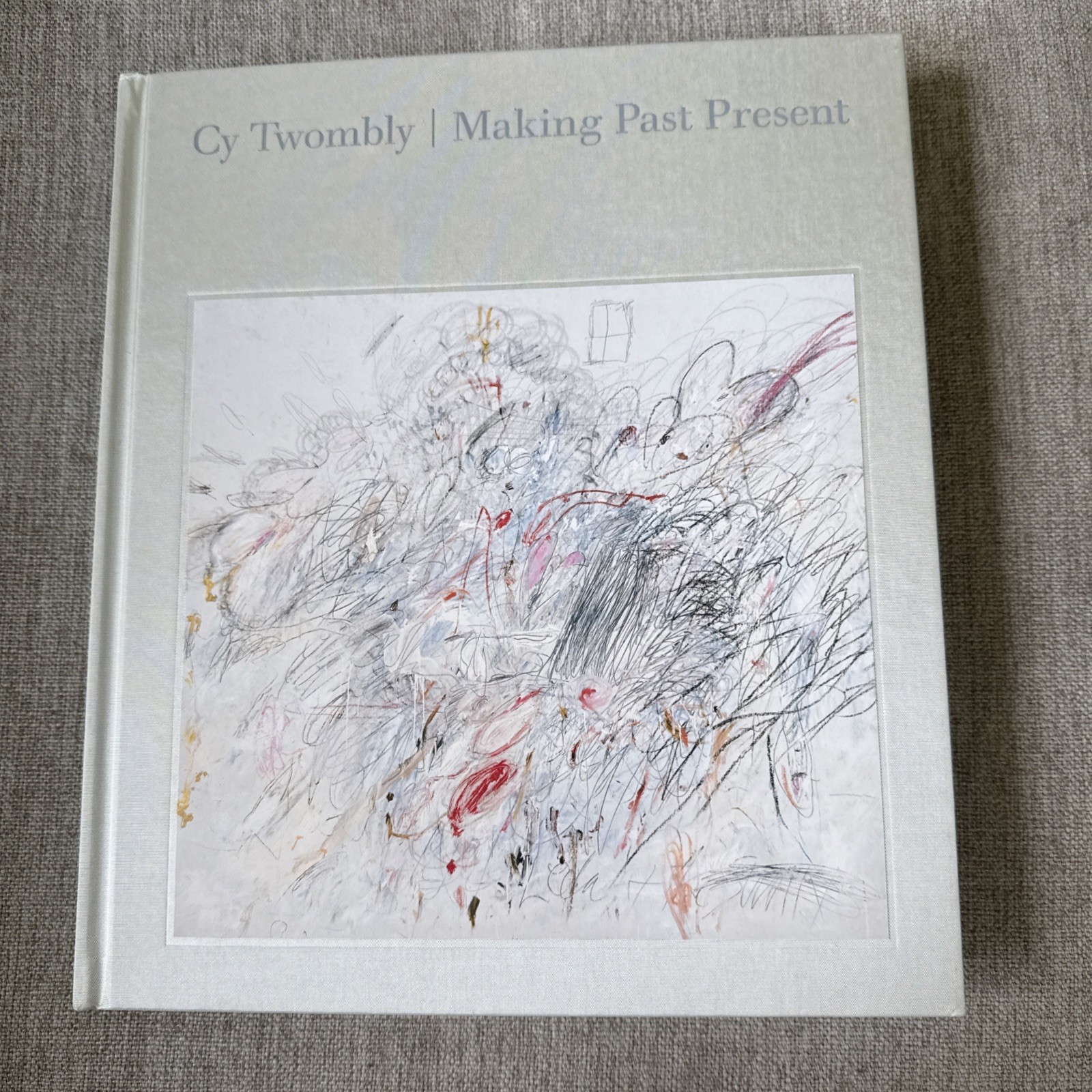
ISBN 978-0-87846-874-4; 264 pages; 9.5 x 11 in.; 170 color illustrationsCy Twombly’s first visit to Italy as a young man ignited a lifelong passion for the ancient world that is everywhere present in his art. Painted canvases, works on paper, and small-scale sculptures reveal the historical soul of Twombly’s abstract compositions. Taking on classical myths and heroes as personal guides, he created a psychologically complex dialogue with the visual and literary arts of antiquity.This sumptuously illustrated book reproduces a carefully chosen selection of the artist’s paintings, drawings, and sculptures alongside works of classical antiquity, including a number from his personal collection. Illuminating essays by leading scholars explore the profound and often enigmatic engagement of Twombly’s art with the world of the past.Editorial reviews
\"The Museum of Fine Arts was scheduled to present an exhibit of the work of Cy Twombly, he of the rich, flaming scrawls on classical themes, to open this past July, but pandemic disruptions postponed it. To tide over Twombly fans until the paintings can be seen again in person, an elegant and comprehensive exhibition catalogue has been published by the MFA Press. “Making Past Present” contextualizes Twombly’s singular gestural verve. “Modern Art isn’t dislocated,” he wrote in an early grant application, “but something with roots, tradition and continuity. For myself the past is the source.” In his deranged handwriting, Twombly scribbles the names of gods, goddesses, heroic figures, Athena, Hercules, Thetis, Zeus, as though clutching a crayon in his fist. A beating sense of blood and time pulses from his canvases, a frenzied aliveness. His are works of heat, blooming blasts not so much of pure color, though that, too, but of energy, an energy of one hand being moved by the force of stories in Time. Anne Carson, in the essay she contributes to the book, bringing together the work of Twombly and the lyric poet Catullus, refers to the “sheer velocity” of Twombly’s work.\"
—Nina MacLaughlin, The Boston Globe