When you click on links to various merchants on this site and make a purchase, this can result in this site earning a commission. Affiliate programs and affiliations include, but are not limited to, the eBay Partner Network.
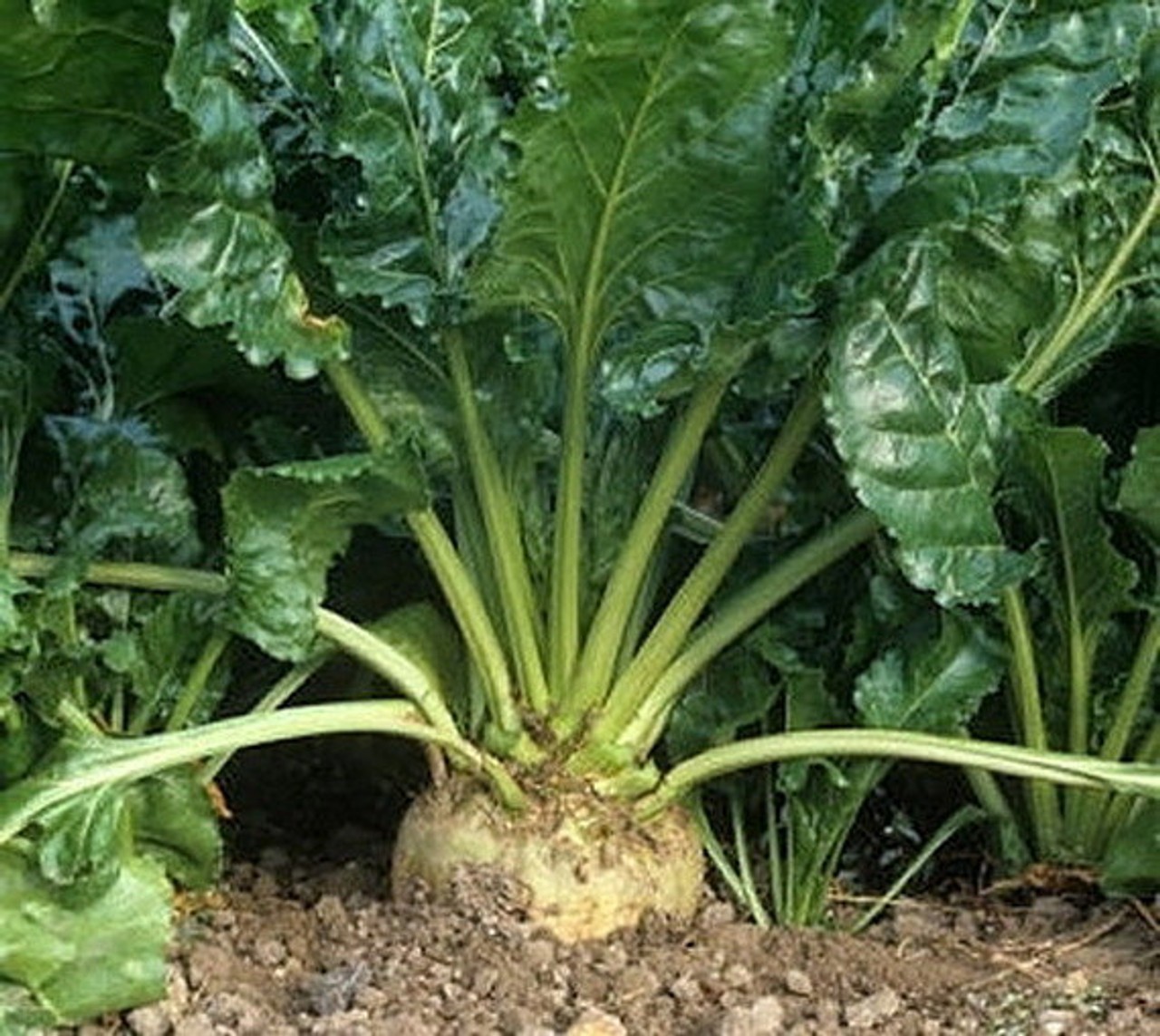
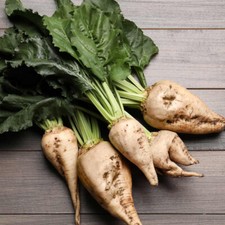
As the name implies, Sugar Beets are packed with sugar! You can try making sugar yourself, or just enjoy the sweet root and delicious greens of this beet (Beta vulgaris). The roots are white and tapered, weighing as much as three pounds. They\'re popular for feeding livestock and deer, and they take about 90 days to mature.Back in the mid-18th century, a German chemist named Andreas Margraff discovered that Beta vulgaris had a chemical makeup that included sucrose, much like sugar cane. At that time, sugar cane was the only source of sugar, which caused prices to skyrocket due to the need to import it from other countries. Franz Karl Achard, one of Margraff\'s students, carried on the research and started producing sugar beet seeds as an alternative source of sugar. Because of his groundbreaking work, he earned the title of the father of the sugar beet industry. When the supply of sugar cane was disrupted due to war, Napoleon ordered that sugar beet seeds be cultivated in large quantities to ensure a sugar supply. This led to the commercial use of sugar beets, which eventually spread to nearly every country.
Plant sugar beet seeds directly outdoors about 4 weeks before the last frost is expected. To prepare the seeds, soak them in water for 2 hours, then place them in full sunlight and well-drained soil. Sow them at a depth of 1 inch and space them 1 inch apart in rows that are 1-2 feet apart. Firm the soil over the seeds to ensure they make good contact with the earth, and you should see germination in 5-15 days. For optimal growth, add compost or other organic materials. If you\'re into companion planting, consider growing beets alongside bush beans, onions, or cabbage family members, but steer clear of planting them near pole beans.Each beet \"seed\" contains up to 8 actual seeds, so you\'ll need to thin the seedlings to 3 inches apart. The plants you uproot can be used as a second crop, as replanting them will set them back about 2 weeks compared to the original ones. Be gentle when weeding to avoid damaging the seedlings. They thrive in cooler weather and can withstand temperatures as low as 25°F.Sugar beets are primarily grown for sugar production, but the beets and their greens are edible if picked when they\'re small. They can be a bit tough and fibrous, so it\'s best to eat them grated or cooked. They have a very sweet taste, though some folks find it a bit too sweet for their liking.Since beets are wind-pollinated, make sure to keep them at least two miles away from other chard and beet varieties to maintain genetic purity. Beet plants need to survive the winter to produce seeds. In warmer areas, just mulch the plants. In cooler regions, dig up the roots and store them in sand, ensuring they don\'t touch each other, in a cool, humid spot—replant them in early spring. The plants will start to seed in the spring; wait until the seed heads are fully grown and dry before harvesting them. The seeds will easily fall off the stems once they\'re completely dry. Store the seeds in a cool, dry place for up to five years.
Latin Name: Beta vulgaris
Type: Open Pollinated, Heirloom, Cool Season
USDA Zones: 2-12
Seeds per Ounce: 3,000
Planting Method: Direct Sow
Sunlight: Full Sun
Height: 14 Inches
Color: RedBy following these steps, you can unlock the full potential of your Sugar Beet F1 untreated seeds for improved crop yields.
Sugar beet has several medicinal properties, primarily due to its high sugar content and nutrients. It is known to support liver health, improve digestion, and may help in managing blood sugar levels.
Nutritional Benefits
Sugar beets are packed with essential nutrients that contribute to their healing properties:Vitamins: They are loaded with vitamin C, which helps strengthen the immune system.
Minerals: They provide potassium, magnesium, and iron, which are vital for different bodily functions.
Fiber: It aids in digestive health and helps keep blood sugar levels in check.Health Benefits
Sugar beets come with a range of health advantages:Blood Sugar Control: The fiber found in sugar beets can assist in managing blood sugar levels, making them a great choice for those with diabetes.
Heart Health: The antioxidants and nitrates present may enhance heart health by reducing blood pressure and improving circulation.Anti-Inflammatory Properties: Sugar beets are rich in betalains, which have anti-inflammatory properties that could lower the risk of chronic illnesses.Uses in Traditional Medicine
In traditional medicine, sugar beets have been utilized for:Detoxification: They are thought to support liver health and help cleanse the body.
Digestive Aid: They are used to relieve constipation and boost gut health.Conclusion
Sugar beet F1 untreated seeds can be a great addition to a nutritious diet, providing numerous nutritional and medicinal advantages. Their high fiber content and rich nutrient profile make them beneficial for overall health and wellness.Payments due upon purchase, Thank You.