When you click on links to various merchants on this site and make a purchase, this can result in this site earning a commission. Affiliate programs and affiliations include, but are not limited to, the eBay Partner Network.
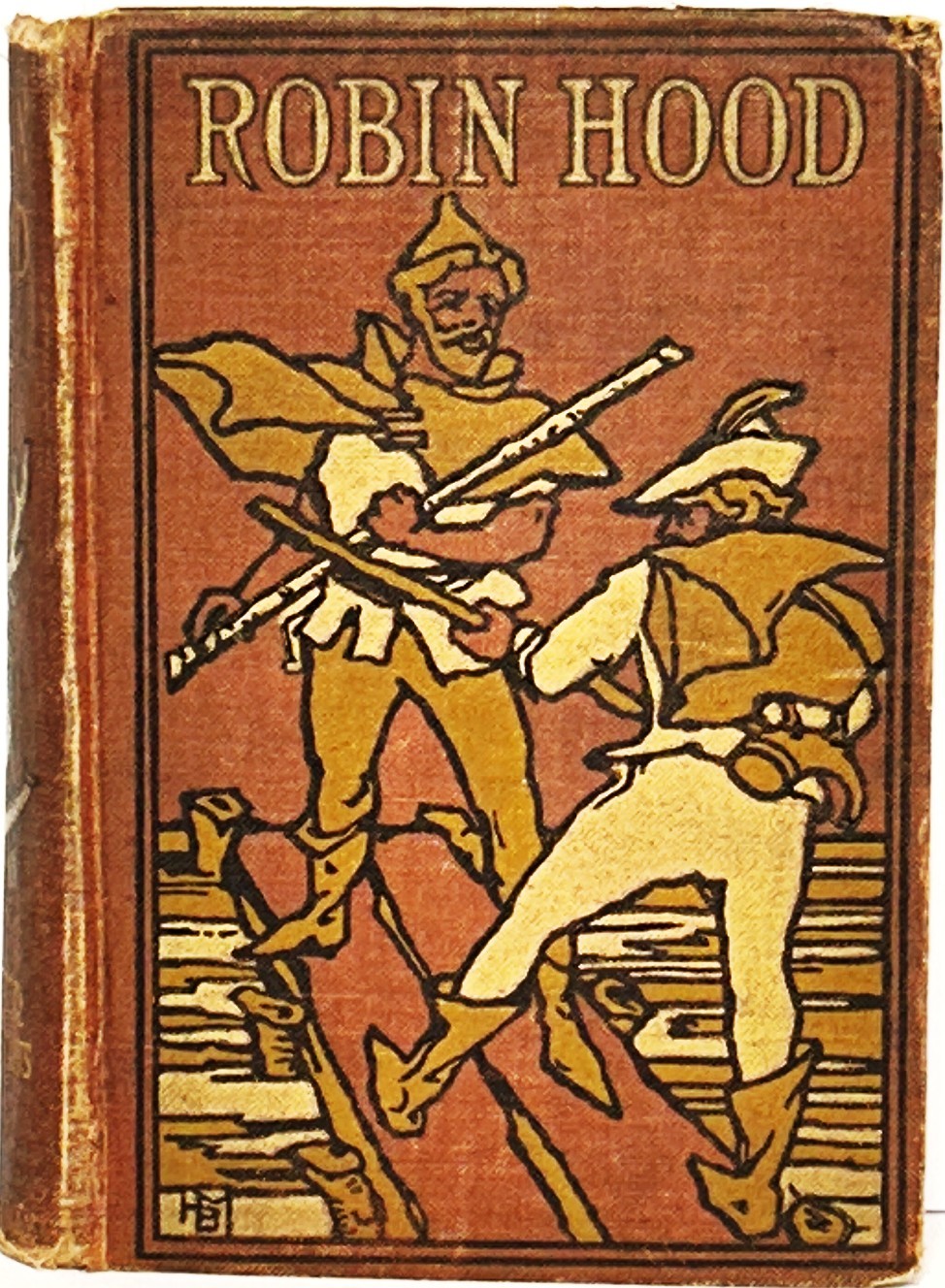
ROBIN HOOD
BY
John B. Marsh
ThisSALEis foran original ca.1890 - 1905edition of
ROBIN HOOD
with
TEN FULL - PAGE COLORED PLATES!
YOU'LL LOVE THIS BOOK!!!
A scarce Philadelphia edition of The Life and Adventures of Robin Hood by John B. Marsh, published by David McKay. Complete with ten full‑page color plates and four wood‑engraved illustrations. Classic late‑19th‑century adventure printing in decorative cloth binding.
Clean, tight, and well‑preserved—an appealing example of this hard‑to‑find U.S. variant.
This American issue follows the celebrated Routledge gift‑edition format, using the same illustration program and narrative text, but appears far less frequently on the market than its British counterparts.
This edition presents Marsh's classic retelling of the Robin Hood cycle—outlaw heroism, Sherwood camaraderie, and richly colored adventure scenes—in a format prized by collectors of late‑Victorian and Edwardian illustrated literature.
📚 Synopsis
Robin Hood's exploits — The book follows Robin Hood as he becomes an outlaw, gathers his band of loyal companions, and wages a campaign of resistance against unjust nobles and sheriffs. His actions consistently center on robbing the rich to aid the poor, a theme emphasized in all surviving descriptions.
The Merry Men — Key figures such as Little John, Will Scarlet, Friar Tuck, and Maid Marian appear throughout the narrative, each contributing to Robin's adventures and the camaraderie of Sherwood Forest. The tone is adventurous and often humorous.
Conflicts with authority — Marsh's retelling highlights Robin's cleverness in outwitting sheriffs, soldiers, and corrupt officials. These episodes form the backbone of the plot, showcasing Robin's strategic mind and moral purpose.
Romance and loyalty — The narrative includes romantic elements and themes of loyalty, reinforcing Robin Hood's role as both a heroic outlaw and a noble-hearted figure.
Tone and style — Contemporary descriptions emphasize that the story is full of action, humor, and heroism, making it accessible to younger readers while retaining the dramatic weight of the medieval legend.
🏹 Death Scene in the Marsh / McKay Edition
The Marsh retelling follows the traditional medieval ballad structure of Robin Hood's
death, and the McKay edition preserves that sequence closely.
1. Robin Hood falls ill and seeks help at Kirklees Priory
Late in life, Robin grows weak and believes he needs bloodletting, a common medieval medical treatment. He travels with Little John to Kirklees Priory, where his cousin, the Prioress, resides. Marsh emphasizes Robin's trust and his vulnerability in this moment.
2. The Prioress betrays him
Instead of healing him, the Prioress performs the bloodletting maliciously, opening the vein too deeply. In this edition, the betrayal is described as deliberate and cold, with the Prioress acting under the influence of Sir Roger of Doncaster, a long‑standing enemy of Robin Hood.
3. Robin realizes he is dying
As the blood continues to flow, Robin becomes faint and understands that he has been murdered by treachery. He calls out for Little John, who breaks into the chamber too late to save him.
4. Robin asks for his bow
In one of the most iconic moments of the legend, Robin asks Little John to hand him his longbow. With the last of his strength, he shoots an arrow out the window and gives his final instruction:
"Where this arrow falls, there let me be buried."
(This line appears in nearly all retellings; Marsh uses a similar phrasing.)
5. Robin dies peacefully, with Little John beside him
Little John begs to be allowed to die with him, but Robin refuses, telling him to live on and protect the band. Robin then dies quietly, still loyal to his men and to Sherwood's ideals.
6. Burial where the arrow fell
The Merry Men bury Robin where the arrow landed, honoring his last wish. The Marsh/McKay edition closes the scene with a tone of reverence and sorrow, emphasizing Robin's courage, loyalty, and the tragedy of betrayal.
📝 Condition (Good)