When you click on links to various merchants on this site and make a purchase, this can result in this site earning a commission. Affiliate programs and affiliations include, but are not limited to, the eBay Partner Network.
Welcome you to Smartbuyforever! We are a leading Seeds provider for several years! We provide fresh and high-quality Heirlooms seeds, NON-GMO and organic seeds to home gardeners and other’s Growers! Our main offerings: Hundreds of heirloom, rare, beautiful flowers and Herbs and Vegetables seeds. Especially we provide hard to find Herb and flowers seeds!
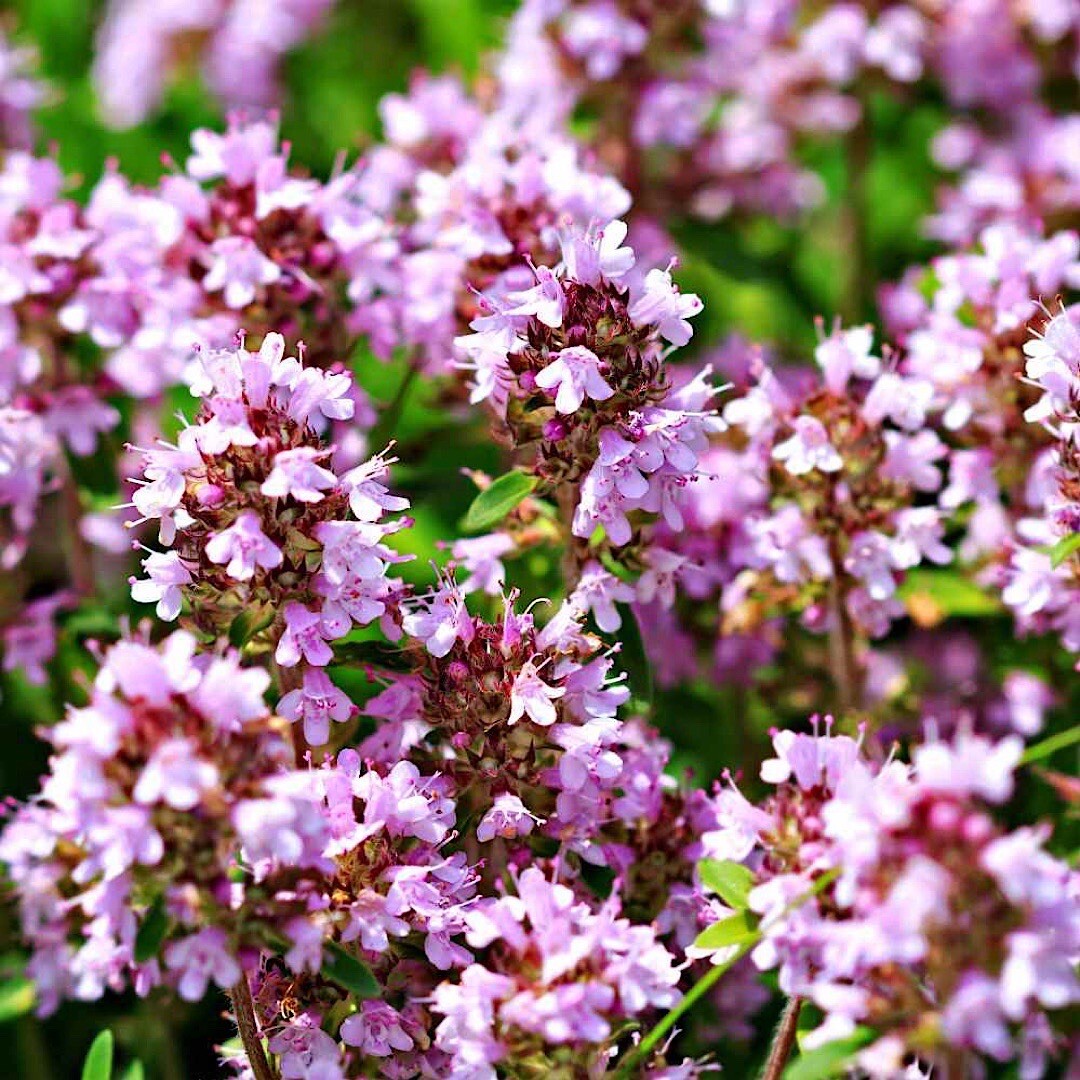
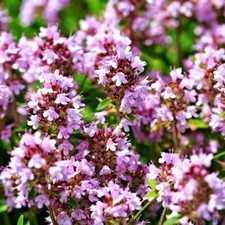
Creeping Thyme Seeds - Wild Thyme (Thymus Pulegioides) as lemon thyme, larger thyme, and broad-leaf thyme) is a fragrant, spreading, drought tolerant perennial that is native to northwest Europe. Plants form dense mats that create an excellent ground-cover. Plants are 6-12 inches tall, and the lavender flowers appear just above the foliage. As with many species in the mint family, the flowers of Wild Thyme are very attractive to honey bees and wild bees. Parts of the Wild Thyme flower are used medicinally. It can be taken to treat respiratory problems such as coughs, bronchitis, and swollen airways. It has also been used to treat kidney and bladder problems, poor blood circulation, bad cholesterol, and colic.
Thyme is a smaller herb that grows upright on a woody stem and has needle-like leaves. Thyme will bloom tiny blossoms of pink, lavender or white throughout the spring and summer seasons which will attract bees to the garden.
Before Planting: Thyme grows very slowly from seed and after planting, germination can take up to 28 days.
Planting: If planting from seed, begin thyme indoors and scatter the seeds on top of the soil and do not cover them or only cover them lightly. If growing thyme in containers, repot the thyme every season, as its roots may begin to grow out the bottom of the container.
Watering: Thyme doesn’t require much care. Allow soil to completely dry in between watering.
Fertilizer: Upon planting, add a continuous-release fertilizer to the soil. Add the fertilizer again each spring. Other fertilization options include fertilizing thyme with fish emulsion or liquid seaweed every two weeks but dilute the fertilizer by half.
Days to Maturity: Harvest thyme before its flowers open which should be after 85 days.
Harvesting: Harvest by cutting the plant 2 inches from the ground. After the first cut is made, more growth will begin to develop but do not harvest this second growth as the new growth increases the plant’s hardiness over
the winter months.
Tips: Stop harvest a month before the first fall frost to ensure the plants are strong enough for the winter. After harvesting, lay the thyme in single layers on newspaper in the shade. Once dry, rub the leaves and they will separate easily from the stems.
Groundcover Specifications
Season: Perennial
USDA Zones: 3 - 9
Height: 6 - 12 inches
Bloom Season: Summer
Bloom Color: Purple
Growth Rate: Moderate
Environment: Full sun to partial shade
Foot Traffic: LIght
Deer Resistant: Yes
Latin Name: Thymus Pulegioides
Planting Directions
Temperature: 70F
Average Germ Time: 14 - 21 days
Light Required: Yes
Depth: Do not cover the seed but press into the soil
Soil Type: Well-drained, pH 5.8 - 6.8
Sowing Rate: Plant creeping thyme seed at 1/8 lb per 5,000 square feet
Moisture: Keep seeds moist until germination
Shipping:
All orders are shipped by USPS First Class Mail. Only orders $12 or more will include free tracking information.
Customer care:
If you have any issues with your order please Just leave us a message and we'll promptly resolve the issue as soon as possible. Thank you!