When you click on links to various merchants on this site and make a purchase, this can result in this site earning a commission. Affiliate programs and affiliations include, but are not limited to, the eBay Partner Network.
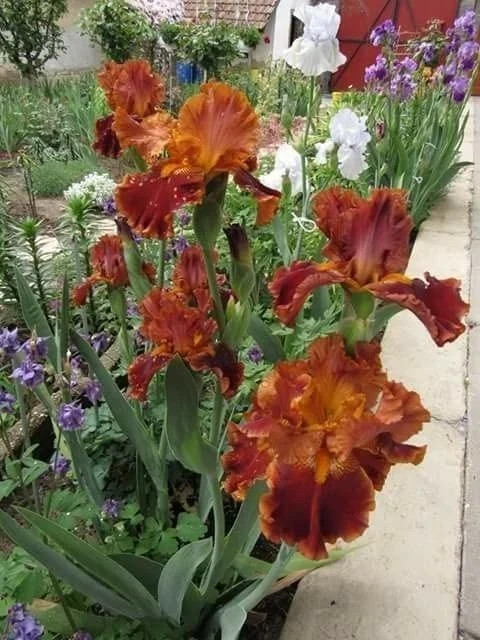
★ Common Name Bearded iris ★ Botanical Name Iris germanica ★ Plant Type Herbaceous, perennial
★ Mature Size 12–40 in. tall, 1 –2 ft. wide ★ Sun Exposure Full ★ Soil Type Average, well-draining
★ Bloom Time Spring ★ Flower Color Red, orange, yellow, blue, purple, brown, white, pink, many bicolors
Bearded Iris Planting Guide
Bearded Irises are some of the most popular perennials in gardens throughout the world, and we’re not surprised! The endless array of colors and sizes makes them a versatile and show-stopping element of any garden. They are loved by many because they are easy to grow, deer-resistant, they multiply each year. Some are re-bloomers, putting on a colorful show in the garden twice in one season. Here are several tips to make sure your new Irises get acclimated to your space and become a mainstay of your perennial garden!
Where to Plant
Bearded Iris prefer at least 6-8 hours of sunlight a day. In hot climates (zones 8-11), they will tolerate 4-6 hours of sun. Make sure your Iris get some shade during the day in hotter climates. Bearded Iris prefer to be planted in well-drained soil. To improve drainage, they can be planted on a slope or in a raised bed.
What To Expect
Your Bearded Iris roots/rhizomes will arrive with the foliage trimmed from the past season\'s growth and starting to turn brown. The foliage can be trimmed when you plant, but leave at least a few inches of old foliage on the rhizome. It will be replaced next spring with deep green leaves.