Heat.net Store Home
|
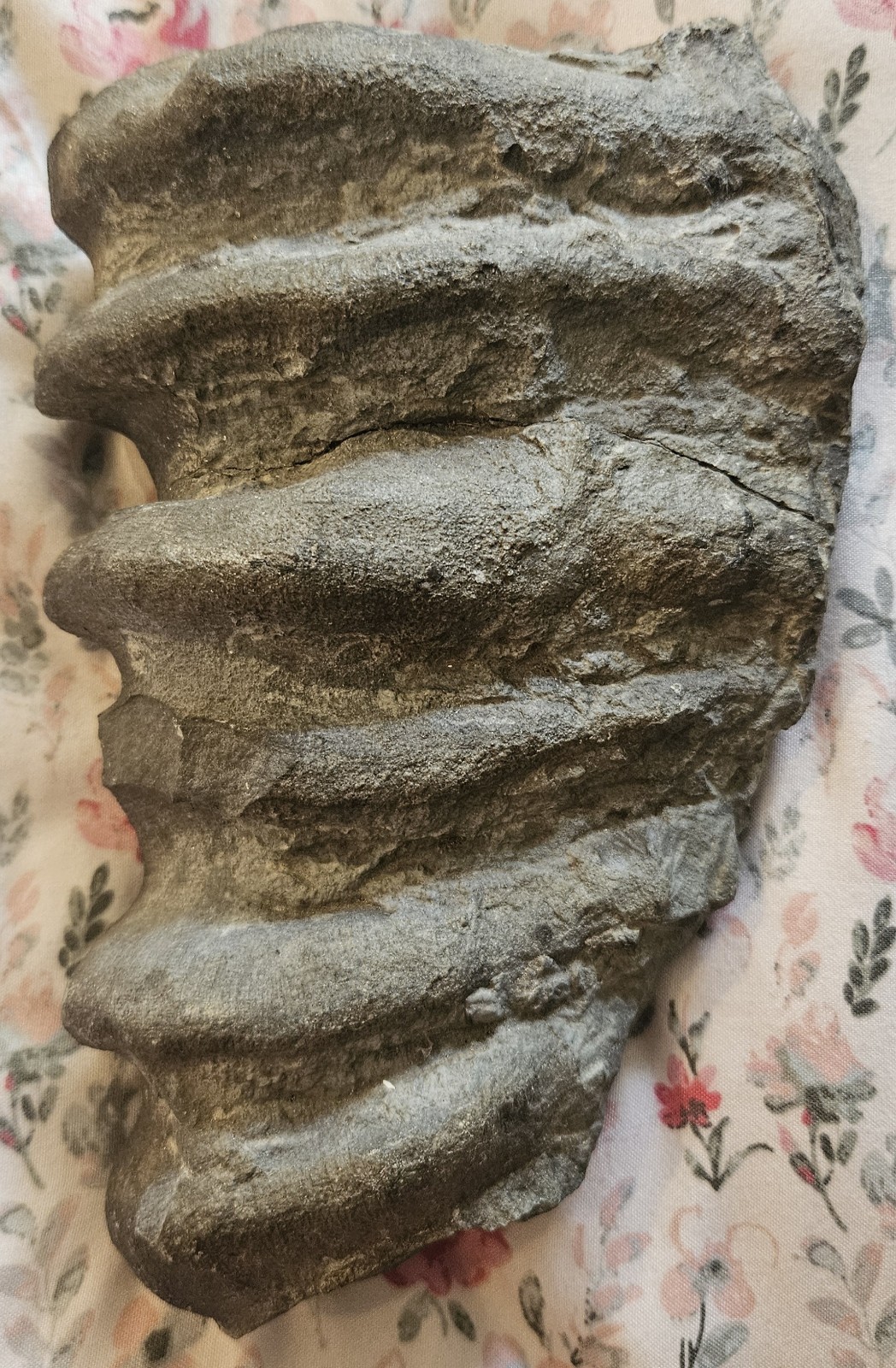
Museum Grade Devonian Glass Sponge Fossil Ceratiodictya cincta NY Hexactinellid For Sale

When you click on links to various merchants on this site and make a purchase, this can result in this site earning a commission. Affiliate programs and affiliations include, but are not limited to, the eBay Partner Network.

Museum Grade Devonian Glass Sponge Fossil Ceratiodictya cincta NY Hexactinellid:
$125.00
TitleMuseum Grade Devonian Glass Sponge Fossil Ceratiodictya cincta NY HexactinellidDescriptionOffering an exceptionally well-preserved, highly detailed natural mold/cast specimen of the rare Paleozoic glass sponge Ceratiodictya cincta from the Upper Devonian strata of the Penn-York Embayment (Chemung Group, Chataqua Co., NY). This 2.5 kg museum-grade piece features outstanding, deeply defined structural architecture showing the diagnostic horizontal ring-like outward bulges (\"girdles\") that characterize this distinct genus.Unlike more common Devonian glass sponges (such as Hydnoceras) which display large, irregular bumpy nodes, Ceratiodictya is easily identifiable by these clean, uniform, rhythmic annulations running down its long, tapering conical body.The item pictured is the exact specimen you will receive. Please review all photos carefully for visual evaluation of size, depth, and preservation quality.Comprehensive Scientific Data PortfolioI. Taxonomic Framework & Systematic PaleontologyKingdom: AnimaliaPhylum: Porifera (Grant, 1836)Class: Hexactinellida (Schmidt, 1870) — Commonly known as \"Glass Sponges\" due to an internal skeletal lattice composed purely of siliceous spicules.Order: Hexactinosa (Schrammen, 1912) / DictyidaFamily: Dictyospongiidae (Hall & Clarke, 1898) — An extinct family of highly specialized, thin-walled Paleozoic reticulate sponges.Genus: Ceratiodictya (Hall & Clarke, 1898)Species: Ceratiodictya cincta (Hall, 1863; reassigned by Hall & Clarke, 1898)II. Geologic & Stratigraphic ContextEra: Paleozoic EraPeriod: Late / Upper Devonian PeriodEpoch: Famennian Stage (~360 to 372 Million Years Ago)Stratigraphic Formation: Chemung GroupIII. Geographic ProvenanceRegion: Northern Appalachian BasinLocality: Chataqua County, New York, USAIV. Paleoenvironmental & Depositional SettingDepositional Environment: Marine epicontinental shelf environment, specifically representing the quiet, offshore, prograding muddy delta systems of the Catskill Delta complex.Lithology: Fine-grained, well-indurated marine siltstone.Taphonomy / Ecology: These organisms were sessile, benthic, intermediate-level epifaunal suspension feeders. They used root tufts of elongated silica spicules to anchor firmly into soft, muddy marine substrates, filtering bacteria and fine organic particles from the water column. They were preserved through rapid burial events (obrution), leaving highly crisp impressions (external molds) as the original delicate silica skeleton dissolved over millions of years.Specimen Physical SpecificationsWeight: 1.4kg — A robust, heavy display-sized specimen.Dimensions: Approximately 7.0 inches x 4.8 inches along the primary fossil impression face.Shipping, Handling & Promotional OffersSafe Packaging: Safely and securely packaged with multi-layered protective bubble wrap, structural padding, and heavy-duty boxing to ensure safe arrival of this heavy fossil.Combined Shipping Available: If purchasing multiple items from my store, please add items to your cart and click \"Request Invoice\" before sending payment. I will manually adjust the invoice to lower and combine your shipping costs.PROMOTION — Free Shipping: Enjoy FREE standard shipping on all orders totaling over $100! Browse our other Paleozoic listings to easily qualify.
|
|
Other Related Items:
Related Items:
Museum Grade Devonian Glass Sponge Fossil Ceratiodictya cincta NY Hexactinellid $125.00
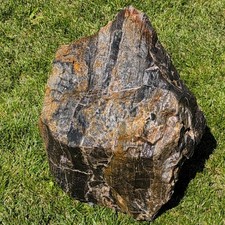
Large Museum Grade Centerpiece Petrified Wood Agate Opal Jasper From Southern Id $1500.00
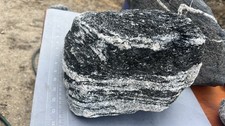
Museum Grade Mica Schist Boulder 43lb Quartz Feldspar Large Mineral Specimen $380.00
|