When you click on links to various merchants on this site and make a purchase, this can result in this site earning a commission. Affiliate programs and affiliations include, but are not limited to, the eBay Partner Network.
See my other listings if you want more shipping options. I have Fee Shipping, Free local pick up or paid shipping options.
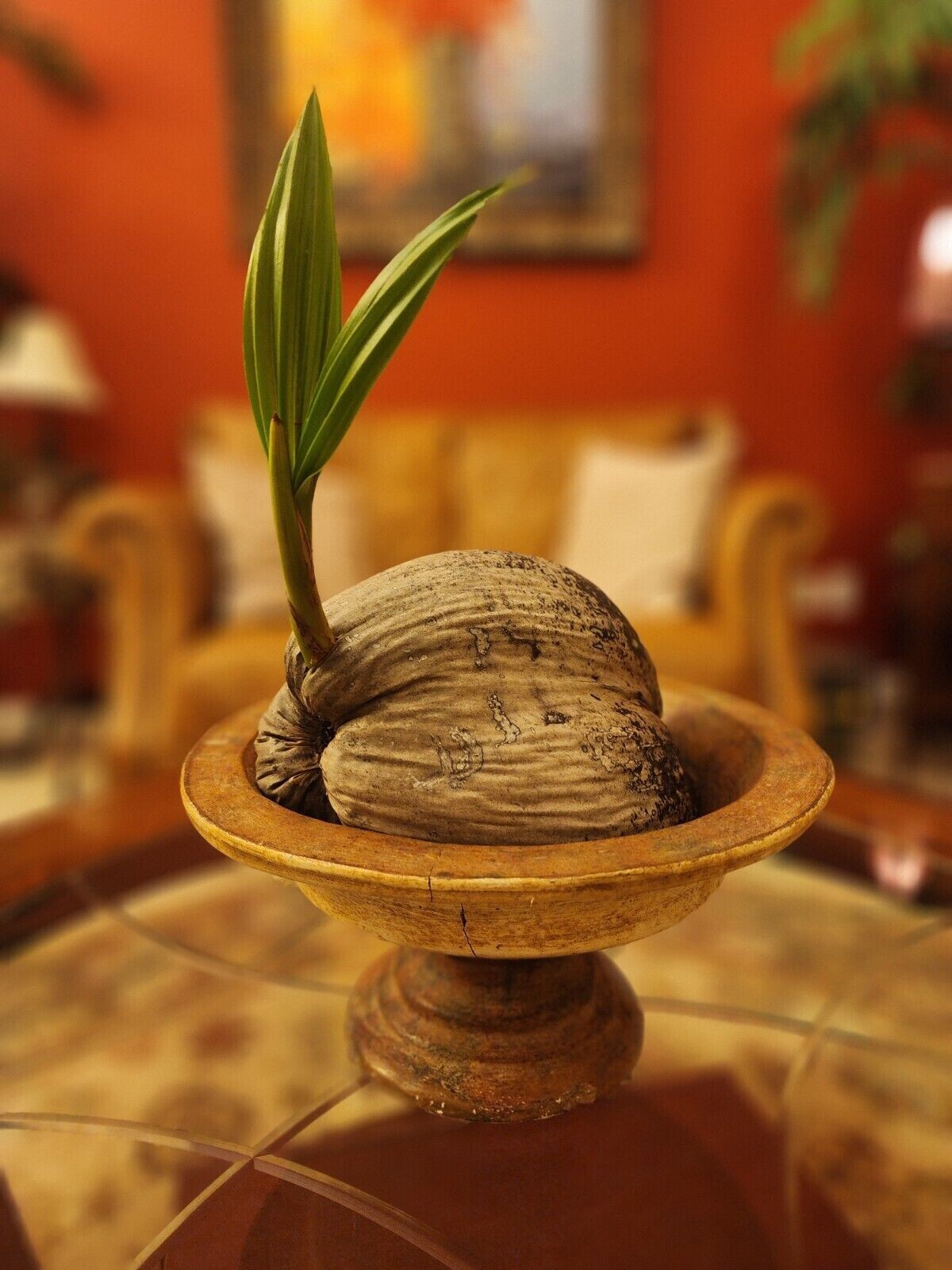
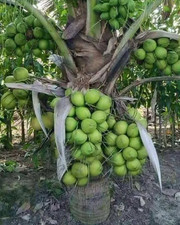
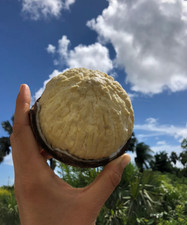
This live SPROUTED coconut tree (BASE/POT NOT INCLUDED) is ready to be planted in your garden or used as a bonsai tree. It is great for outdoor or indoor living spaces. It is hardy in USDA zone 10B-12 (70 to 95 °F). This tree is a great addition to any yard or garden, and it is perfect for those who love plants and outdoor living. Purchase it now and add some natural beauty to your home! It\'s also a great survival food, in season all year long, producing bunches every month of the year.
These are alive and sprouted so no need to worry like the ones selling seeds only.
A little more info: I don\'t really know the coconut types. I am now buying from a humble Cuban husband and wife couple who pick up unsprouted coconuts from peoples yards here in South Florida (Miami, Fort Lauderdale) and then resell them. They usually sell unsprouted mature coconuts for food by removing the husks or green coconuts for water and this new venture of selling already sprouted coconuts adds a little more income to their business.If a coconut palm is grown indoors, it will remain quite small for years—much smaller than a dwarf variety would grow outdoors.
The coconuts I offer are harvested from private residential properties in South Florida, ranging from Miami to Fort Lauderdale. Because of this, I can’t guarantee whether they are from dwarf or tall varieties. However, theMalayan Dwarfis the most commonly grown variety in Florida due to its resistance to disease. Dwarf coconut palms typically reach30-50 feet, while non-dwarf varieties can grow60-100 feet. From my experience, I haven\'t seen coconut palms on residential properties grow taller than the typical dwarf variety.
Indoors, coconut palms usually stay3-4 feet tallfor the first few years, and it’s rare for them to grow beyond5-10 feetover time.
BASE/POT NOT INCLUDED
Palm trees seem to thrive in any soil but sun and not too cold is important. A 1:1:1 ratio of potting soil, peat moss/coco coir, and coarse sand or perlite will provide the ideal balance of drainage and water retention for palm plants. Organic matter: Incorporate organic matter like compost, aged manure, or leaf mold to provide nutrients and improve soil structure.
In an outdoor environment, such as a tropical climate, a coconut sprout can grow into a fully mature tree, potentially living up to 100 years. Within a few years, it will begin to produce coconuts, some of which can also develop into new sprouts.
Indoors, a coconut palm grown in a container as a house plant typically has a lifespan of 5–10 years, which is much shorter than that of an outdoor palm. However, using a hybrid approach—starting the plant indoors and then moving it outdoors—would extend its life.
Planting Instructions:Roots and Base:
Ensure the roots are completely underground.
Bury half the base of the coconut underground, leaving the other half above ground.
Outdoor Planting:
Location: Choose a sunny spot with well-drained soil.
Digging: Dig a hole large enough to accommodate the roots comfortably.
Planting: Place the coconut in the hole, ensuring half the base is buried. Fill the hole with soil, pressing down gently to remove air pockets.
Watering: Water the plant immediately after planting to help settle the soil.
Indoor Planting:
Container: Select a large pot with good drainage holes.
Soil: Use a well-draining potting mix, ideally one designed for palms or sandy soils.
Planting: Place the coconut in the pot, ensuring half the base is buried. Fill the pot with soil, pressing down gently to remove air pockets.
Placement: Place the pot in the sunniest spot available, near a south-facing window if possible.
Care Instructions:Sunlight:
Requirement: Coconut palms need at least six hours of direct sunlight daily to thrive, ideally eight hours or more.
Indoor Tips: If indoors and your home is dim, use a plant light to supplement natural sunlight. Consider moving the plant around during the day to maximize sun exposure.
Watering:
Frequency: Water regularly to keep the soil moist but not soggy. Water once or twice a week with warm water, increasing in summer or when humidity is low.
Caution: Overwatering can cause root rot, mushy roots and stems, yellowing leaves, and leaf drop. A soaker hose can help release a slower, controlled amount of water.
Temperature and Humidity:
Ideal Temperature: Keep the plant in a warm environment, ideally between 75-85°F (24-29°C).
Humidity: Coconut palms thrive in high humidity. Indoors, use a humidifier or mist the leaves regularly.
Fertilizing:
Type: Use a balanced, slow-release fertilizer formulated for palms.
Frequency: Fertilize every 2-3 months during the growing season (spring and summer).
General Tips:
Pruning: Remove any dead or yellowing leaves to maintain the plant\'s health and appearance.
Pests: Keep an eye out for common pests like spider mites and scale. Treat infestations promptly with insecticidal soap or neem oil.
Please Note:Some coconuts may have visible roots outside the shell, while younger ones may not. This is completely normal and has no impact on the coconut’s viability. Most young coconut sprouts begin without visible roots. For example, I’ve had one indoors for over 6 months that’s thriving without any external roots—possibly because it\'s kept in water that soaks into the inner husk.
What’s included:One sprouted coconut. No printed instructions are included, as detailed guidance is already provided here, and there’s a wealth of planting information available online to suit different growing conditions.
Natural product disclaimer:These coconut sprouts are washed but not chemically disinfected. Very rarely, a small bug may be present, as they are collected naturally from the ground.
Tip:If you ever have questions about your coconut, simply take a picture and upload it with your question to ChatGPT for helpful, unbiased guidance.
Unique Gift Idea!
Many coconut varieties labeled as “dwarf,” such as the Malaysian Dwarf, are not true dwarfs. They are called dwarfs primarily because they begin bearing fruit at an early age while still relatively small, but over time they can still grow quite tall, similar to standard coconut palms. True dwarf varieties, such as the Fiji Dwarf, do exist, but they are rare and very expensive.
I am not entirely certain whether my trees are true dwarfs or Malaysian Dwarfs, but I can confirm that they are not Fiji Dwarfs. Even if they were Fiji Dwarfs, there would still be no guarantee that the seeds would produce true dwarf plants. Coconut palms are wind-pollinated, and nearby trees can cross-pollinate them, resulting in hybrid seedlings.