When you click on links to various merchants on this site and make a purchase, this can result in this site earning a commission. Affiliate programs and affiliations include, but are not limited to, the eBay Partner Network.
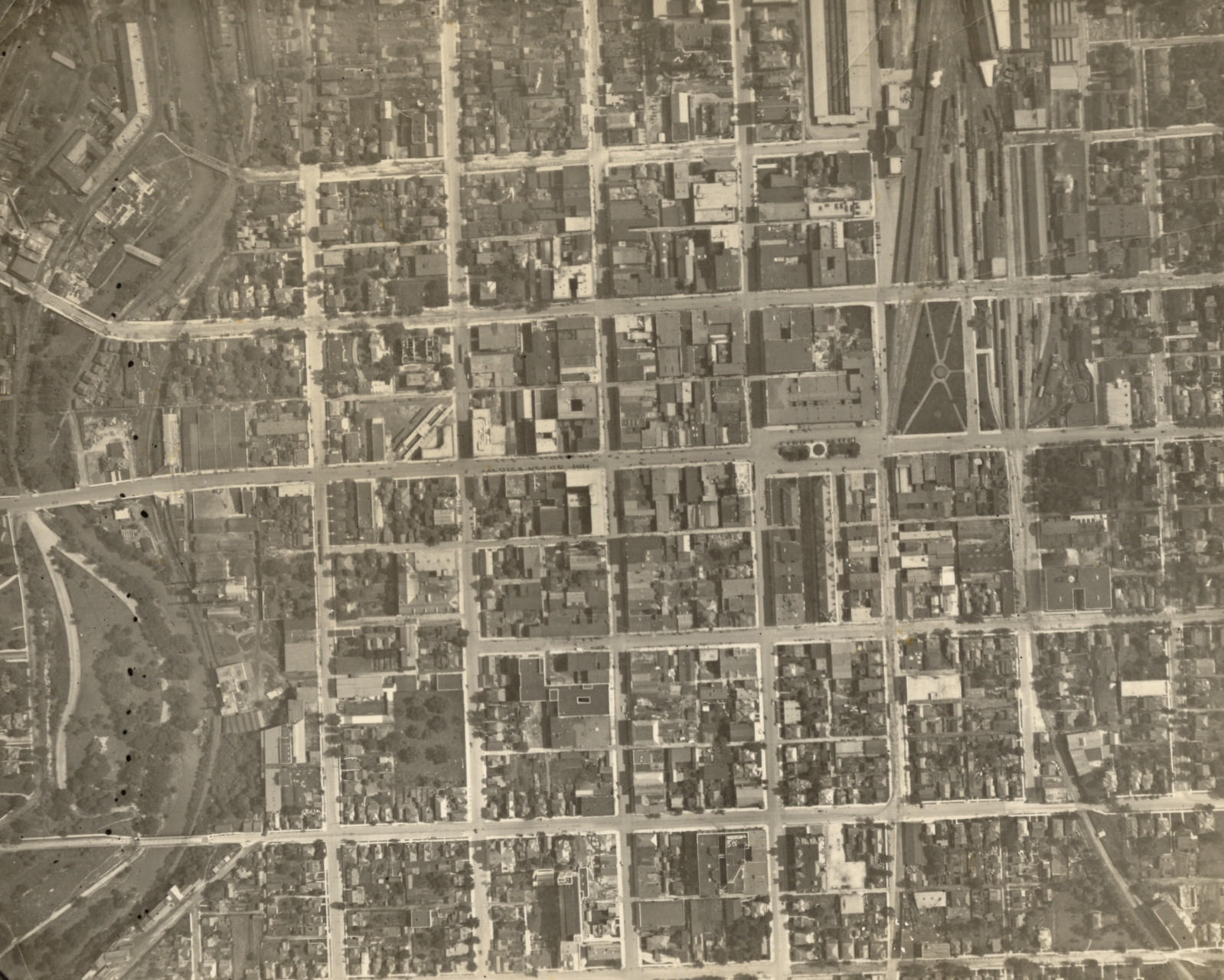
WWI Aerial Recon Photo - Metz-Sablon Railway, Sept 1918, St. Mihiel Offensive 5x3.5
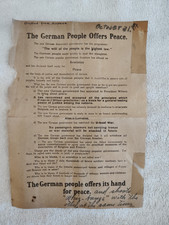
Dated & Stamped Original, US Army Air Service APS-34DESCRIPTIONOriginal WWI-era aerial reconnaissance photograph, dated 20 September 1918,identified as Metz-Sablon, France, the rail junction and marshalling yard district on the southern edge of Metz. Annotated in period hand on the image margin with date, time (noon), altitude, and photo reference number. Verso stamped \"Aerial Photographic Section 34,\" a US Army Air Service photographic unit active on the American sector of the Western Front during the closing months of the war.This photograph was taken in the gap between the Battle of St. Mihiel (12-16 September 1918) and the opening of the Meuse-Argonne Offensive (26 September 1918). During this window, Allied air power shifted to a deliberate interdiction campaign against the rail network supplying German positions from Metz, the largest German logistics hub in the sector. The Metz-Sablon rail triangle, visible in this photograph, was a specifically documented bombing target during the Franco-American attack on the St. Mihiel salient, struck repeatedly because German forces were routing iron ore and war materiel through this junction toward the front. A period RAFphotograph of the same rail triangle, captioned \"METZ 15.9.18,\" corroborates both the location and the ongoing air campaign against this target just days before this image was taken.A rare surviving snapshot of a named, strategically significant rail target during the run-up to America\'s largest WWI offensive, not a generic unidentified aerial view.CONDITIONGood, well-worn period print, honest wear disclosed. Bottom left corner has a folded crease with a small closed separation at the fold line (not a tear through the image, but a real structural crease, more than surface wear). Top left corner shows a harder crease with visible emulsion crazing radiating from the corner point. A small edge crack is present along one border, not affecting the photographic image itself. Several small dark spots consistent with period-typical foxing/handling are visible across the print, do not obscure the image detail. Verso shows expected age-related fading, unit stamp remains fully legible. No tape, no writing on the image face beyond the original photographer\'s annotation.